

IASPIS 30: common acts for grounded futures
Dora García, Maria Lind, Jason Wee
Graphic design: Jonas Williamsson
IASPIS 30: common acts for grounded futures
Artist Dora García, curator and writer Maria Lind, and artist Jason Wee gather for an evening of presentations followed by conversation reflecting on the relations between artistic action, political histories, and the autonomy of cultural institutions.
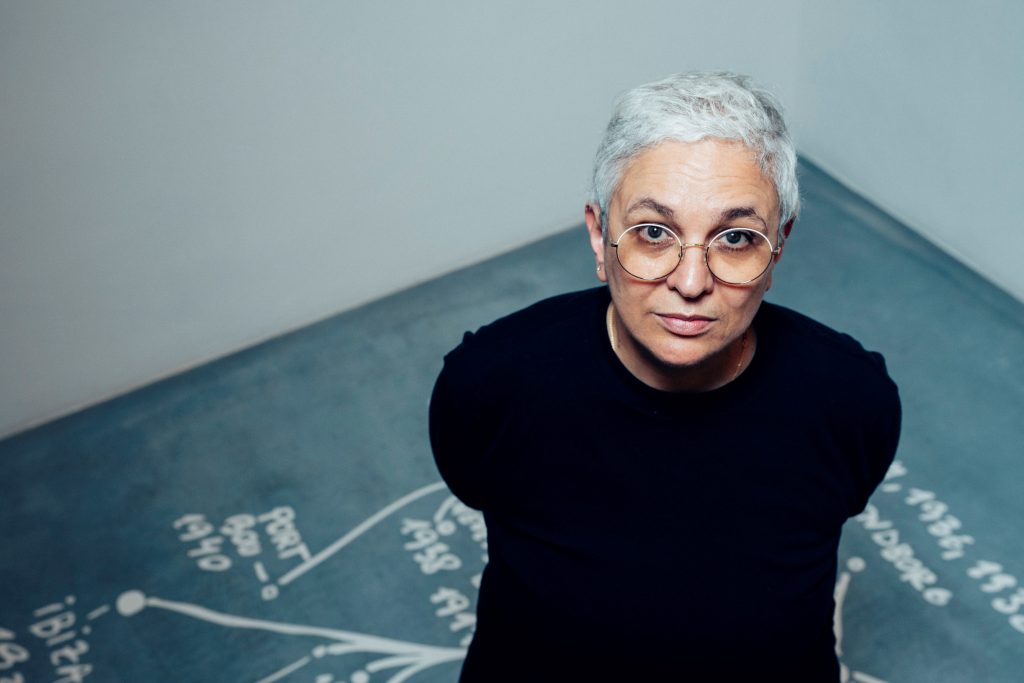
Photo: Alfredo Arias
Dora García, Galería Elba Benítez
García presents a lecture-performance developed from Guernica and its exhibition in Stockholm in 1956 – an event that in many ways prefigured the founding of Moderna Museet before the institution was formally established. Through her timeline-based performative practice, García interweaves art history, political history, and civic struggles, examining how artworks and institutions are repeatedly activated around questions of autonomy, responsibility, and the public sphere.
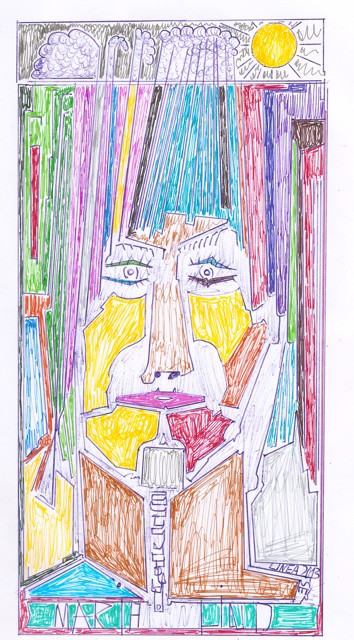
Picture: Bernd Krauss
Maria Lind
Lind reflects on museums’ autonomy and responsibility, drawing on her long-standing work as curator, writer, and institutional director, including her experience leading Kin Museum of Contemporary Art in a region marked by extractivism and ongoing struggles for Indigenous rights.
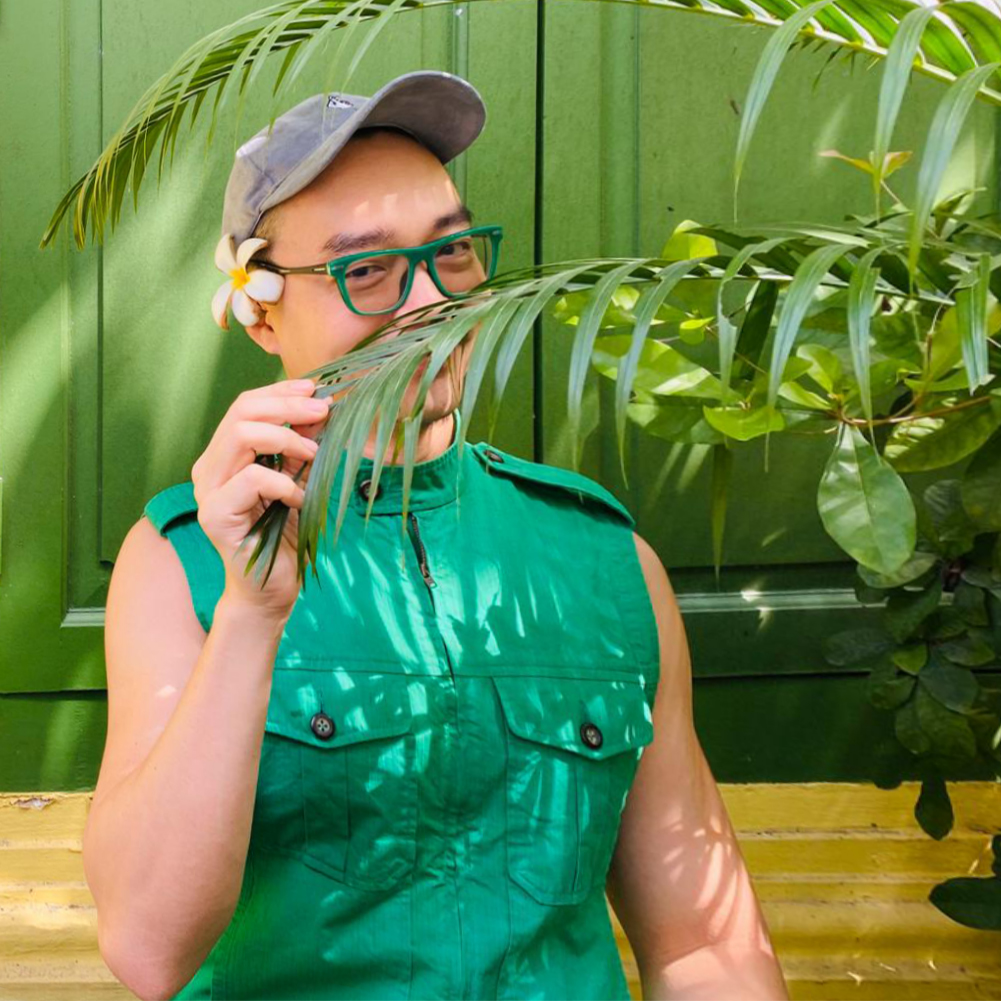
Photo: Emmeline Y
Jason Wee
Wee, recent resident at IASPIS and doctoral researcher at Goldsmiths, University of London, draws from his research on the Singapore Conference Hall and Trade Union House. His work reflects on the promises of collective life embedded in modernist architecture and on how institutional visions of the public can both enable and fracture forms of belonging.
The three presentations are followed by a conversation moderated by Corina Oprea and conclude with a reading of García’s timeline.
The event forms part of IASPIS 30: common acts for grounded futures, a programme initiated by IASPIS Guest Curator Corina Oprea as IASPIS marks its 30th anniversary. Bringing together artistic and curatorial practices attentive to the conditions shaping art today—embodied histories, shifting ecologies, and infrastructures of care and control – the series asks how exchange might be rooted in solidarity, reciprocity, and decolonial attention, opening space for new institutional imaginaries.